Learn about the Types of HVAC Services: Choose the Best Fit for Your Home
Examining the multiple varieties of HVAC offerings is vital for homeowners pursuing the finest approaches for their dwellings. From routine maintenance to advanced implementations, learning about these possibilities can substantially influence comfort and efficiency. Recognizing when repairs or replacements are needed also plays a critical role. As homeowners navigate these choices, certain key factors will appear, prompting further considerations for ideal indoor climate management.
Knowing Basic HVAC Maintenance
Regular maintenance services such as inspections, maintenance, and filter replacements guarantee optimal efficiency and extend the life span of HVAC systems. Homeowners should also be knowledgeable about setup options that provide efficient systems tailored to their particular requirements. Additionally, duct cleaning and sealing are important for enhancing airflow and lowering utility expenses. Knowledge of these basic services enables homeowners to take educated choices, assuring a comfortable and healthy indoor atmosphere throughout the year. Comprehending these elements is the first step in effectively managing one's HVAC requirements.
Noticing Signals for Fixing or Replacement
Homeowners should monitor unusual noises and smells issuing from their HVAC systems, as these can demonstrate fundamental problems. Additionally, a noticeable increase in energy bills may warn of deficiencies that warrant repairs or even a replacement. Detecting these markers early can help avert more extensive damage and costly repairs.
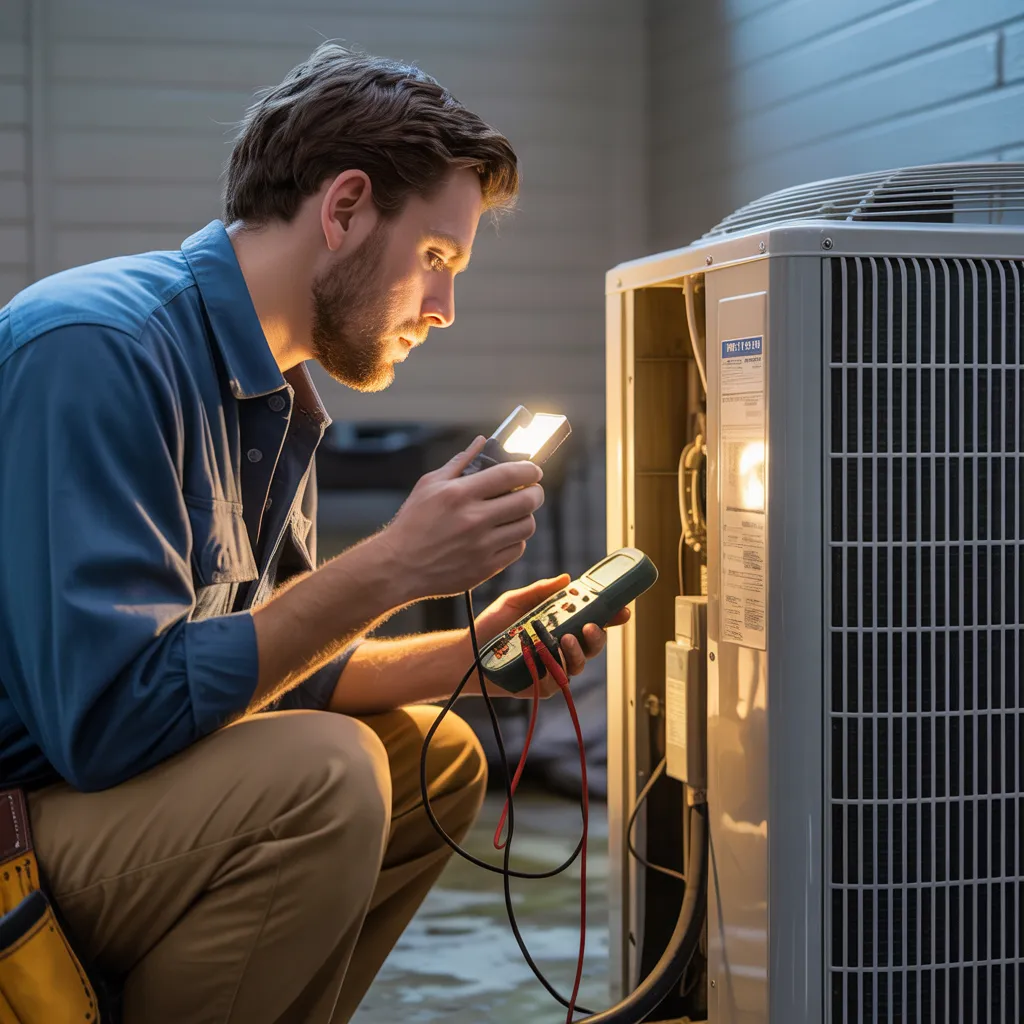
Odd Noises and Scents
Property owners should address these concerns promptly to avoid further deterioration. Disregarding such indicators can lead to more extensive maintenance or even complete system breakdown. Consistent maintenance can help spot and reduce these issues early on, ensuring that the HVAC system runs efficiently and safely. Understanding of these indicators is vital for preserving a comfortable home environment.
Growing Utility Expenses
When power bills suddenly rise, it might signal hidden problems with the HVAC system that need prompt attention. Homeowners should keep track of their monthly energy costs closely, as significant increases can indicate inefficiencies. Common causes include blocked filters, refrigerant leaks, or malfunctioning components that force the system to work more. Also, outdated units may struggle maintaining efficiency, resulting in higher operating costs. Regular maintenance checks can help spot these issues early and potentially prevent expensive repairs or replacements. If a sudden increase in energy bills is noticed alongside other symptoms such as inadequate heating or cooling, it may be necessary to consult a professional. Acting quickly can lead to better energy efficiency and lower monthly expenses.
How to Choose the Ideal HVAC System?
Finding the perfect HVAC system might seem overwhelming, but understanding key factors can make easier the examine guide selection process. First, property owners should assess their particular temperature control requirements based on the size of their space and local climate. This guarantees the system is correctly sized for optimal performance and comfort.
Finally, analyzing energy efficiency ratings, such as SEER and AFUE, is important. Higher ratings often produce lower energy bills over time. Additionally, considering the system type—central air, ductless mini-splits, or heat pumps—can affect both maintenance and installation.
Budget constraints should also play a role; while upfront costs are vital, possible long-term savings should not be overlooked. Homeowners should examine trustworthy brands and seek professional advice to ensure adequate installation. Ultimately, a well-informed choice will produce better comfort and lower energy expenses in the years to come.
Best Energy-Efficient HVAC Updates
Many energy-efficient HVAC upgrades can greatly enhance home comfort while lowering utility bills. One of the most efficient upgrades is the installation of a smart thermostat, enabling homeowners to customize heating and cooling schedules based on their daily routines. Another valuable option is premium air filters, which enhance indoor air quality and system performance by trapping more dust and allergens.
Upgrading to a variable-speed blower motor also improves energy performance, delivering precise airflow and reducing energy usage. Additionally, sealing air ducts and increasing insulation can prevent costly energy loss, ensuring that treated air gets to its designated spaces.
Ultimately, investing in ENERGY STAR-rated appliances ensures excellent efficiency and lower energy use, making them a wise investment for eco-conscious homeowners. All told, these upgrades not only contribute to a more eco-friendly world but also result in significant long-term savings on energy bills.
Specialized HVAC Services: Air Duct Cleaning and Inspections
Duct cleaning and inspections are important in keeping your HVAC system running optimally. Regular cleaning not only boosts indoor air quality but also improves operational efficiency. Common duct issues can lead to major energy loss and health problems, making regular inspections vital for homeowners.
Importance of Duct Cleaning
While many property owners may dismiss the importance of routine air duct maintenance, it functions as a critical component in preserving a clean indoor atmosphere. Over time, dust, allergens, and contaminants collect in air ducts, potentially affecting air quality and respiratory health. Well-maintained ducts boost HVAC performance, which can lower utility bills and prolong system life expectancy. Additionally, neglected ducts can contain mold and pests, presenting additional health risks. Regular cleaning not only reduces these issues but also creates a more comfortable living space. Homeowners should consider expert air duct cleaning options to confirm thorough and effective elimination of contaminants. By prioritizing duct maintenance, they can promote a more hygienic, secure atmosphere for their families, ultimately supporting overall health.
Positive Outcomes of Scheduled Inspections
Frequent checks of HVAC systems give critical insights into their performance and longevity. These examinations aid in spotting possible issues before they intensify, ensuring efficient functioning and stopping costly repairs. Early discovery of wear and tear allows homeowners to keep their system running at peak efficiency, often resulting in reduced energy costs. Additionally, regular checkups boost indoor air quality by confirming components are clean and working well. They further enhance the home’s comfort by ensuring reliable heating and cooling. Many manufacturers also insist on routine inspections to preserve warranties, making this an economically smart decision. In summary, regular inspections are vital for maintaining the health and efficiency of HVAC systems.
Usual Duct Complications
HVAC systems rely heavily on the condition of their ductwork, which can often encounter various issues that undermine performance and air quality. Common problems include leaks, which allow conditioned air to escape, reducing efficiency and raising energy costs. Dust and debris accumulation can obstruct airflow, leading to inconsistent heating or cooling throughout a home. Additionally, improper insulation can result in temperature imbalances, causing the system to work harder. Ducts may also suffer from mold growth, posing health risks to occupants. Regular inspections and professional cleaning are essential to identify and rectify these issues, ensuring peak system performance and improved indoor air quality. Addressing duct problems promptly can enhance comfort and extend the lifespan of HVAC systems.
Selecting the Optimal HVAC Service Provider
What is the best way to select the best HVAC service provider for your residence? First, it is important to explore local companies, focusing on their reputation and customer reviews. A dependable provider should have a solid track record of satisfied clients and positive feedback. Next, checking for proper licensing and insurance is crucial; this guarantees that the technicians are qualified and protected against potential liabilities.
Moreover, getting several estimates can assist homeowners gauge pricing and offerings offered. Clarity in costs and comprehensive contracts are markers of a trustworthy company.
In the end, examining the selection of services offered—including installation, maintenance, and emergency repairs—can also impact the choice. Ultimately, a combination of track record, qualifications, expense, and service options will help homeowners in selecting the best HVAC service provider adapted to their individual requirements.
Frequently Posed Questions
How Consistent Should HVAC Maintenance Services Occur?
Typically, HVAC servicing should be arranged at least once a year. However, twice-yearly inspections, especially before summer and winter, can enhance system performance and longevity, guaranteeing peak performance throughout the seasons.
What Are the Advantages of a Smart Thermostat?
A smart temperature controller enhances energy efficiency, enabling users to establish customized temperature schedules for heating and cooling. This leads to reduced energy bills, increased comfort, and decreased wear on HVAC systems, extending extended equipment lifespan and peak performance.
What ways can I use to verify if my system is energy-efficient?
To evaluate if a system is efficient, one should inspect its SEER rating, track energy bills, and evaluate maintenance history. Additionally, comparing performance with newer models can provide insight into potential enhancements and savings.
Is it viable install an HVAC unit on your own?
DIY installation of an HVAC system is usually not recommended due to technical complications and legal standards. Professional installation certifies security, optimal performance, and standards compliance, ultimately providing enhanced long-term performance and reliability for home HVAC requirements.
What Permits Are Needed for HVAC Installation?
Local codes typically require permits for HVAC setup, such as electric, pipe, and structural licenses. Homeowners should consult local building authorities to ensure compliance with standards and prevent potential penalties or issues throughout the installation process.